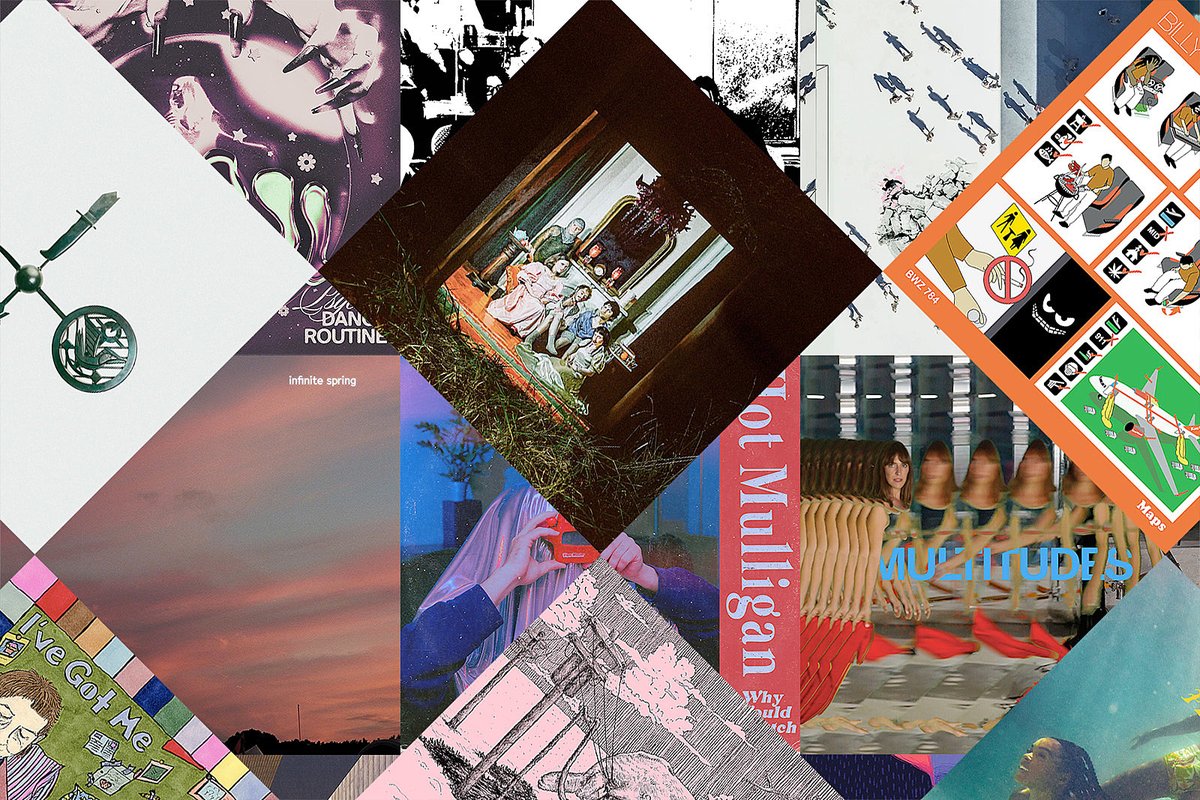
For the bigger picture and full context, make sure you read our main guide on What Album Should I Listen To Right Now?.
Think of "albums to listen to before you die" as your ultimate music bucket list. It's more than just a list of "best albums"; it’s a curated roadmap through music history, designed to expose you to groundbreaking sounds, pivotal cultural moments, and timeless artistic expressions.
At a glance:
- Discover albums that have shaped music history and influenced generations of artists.
- Expand your musical horizons by exploring diverse genres and sounds.
- Learn how to identify albums with lasting cultural and artistic value.
- Curate your own personalized "listen before you die" list based on your tastes.
- Navigate the overwhelming number of recommendations and avoid common pitfalls.
Why a "Listen Before You Die" Album List Matters
Let's be honest, there’s a lot of music out there. Streaming services offer endless libraries, but that can be paralyzing. A curated "albums to listen to before you die" list offers a starting point, a framework for exploring music's most impactful works. It's about experiencing albums that have defined genres, pushed creative boundaries, and resonated with listeners across generations. It's about context, not just taste. After all, understanding the historical impact of The Velvet Underground & Nico can totally change how you hear modern indie music.
Decoding the Criteria: What Makes an Album "Essential?"
Not every popular album is essential, and not every essential album is universally loved. So, what makes an album worthy of a "listen before you die" designation? Here's a breakdown of key criteria:
- Historical Significance & Influence: Did the album change the game? Did it inspire countless artists who followed? Think of Sgt. Pepper's Lonely Hearts Club Band by The Beatles. Its innovative studio techniques and psychedelic sound opened up new possibilities for pop music.
- Musical Innovation: Did the album break new ground sonically? Did it experiment with genres or instrumentation in a way that was groundbreaking? Kid A by Radiohead is a prime example. Its blend of electronic music, jazz, and experimental rock was a bold departure from their earlier guitar-based sound.
- Artistic Quality & Impact: Is it simply good music? Are the songwriting, performances, and production top-notch? Does it evoke strong emotions and leave a lasting impression? Blue by Joni Mitchell is a masterpiece of confessional songwriting, with raw, honest lyrics and beautiful melodies.
- Cultural Relevance: Does the album capture a specific moment in time? Does it reflect or challenge societal norms? What's Going On by Marvin Gaye addressed social and political issues with unflinching honesty, making it a powerful statement about the African American experience in the early 1970s.
Beyond the Usual Suspects: Exploring Diverse Genres and Eras
While classics from The Beatles and Pink Floyd are staples of these lists, don't limit yourself. Here's how to branch out:
- Genre Exploration: Pick a genre you're less familiar with (e.g., jazz, blues, world music). Then, research influential albums within that genre. Resources like AllMusic or specialized genre blogs can be helpful.
- Decade Deep Dive: Focus on a specific decade and explore the albums that defined that era. The 1970s, for example, saw the rise of punk rock, disco, and progressive rock, each with its own set of essential albums.
- Global Sounds: Explore music from different cultures and regions. Albums like Buena Vista Social Club introduced the world to Cuban music traditions, while Ali Farka Touré’s work brought Malian blues to a global audience.
Building Your Own "Listen Before You Die" List: A Practical Guide
Ready to embark on your musical journey? Here's a step-by-step approach to curating your own "albums to listen to before you die" list:
- Start with the Classics: Don't ignore the classics entirely. Albums like Abbey Road by The Beatles or Dark Side of the Moon by Pink Floyd are considered essential for a reason. They offer a foundational understanding of music history.
- Identify Your Favorite Genres: What kind of music do you already enjoy? Use that as a starting point to explore related genres and artists. If you love rock, try delving into blues, punk, or metal.
- Research Influential Albums: Use online resources, music publications, and books to research albums that are considered influential within your chosen genres. Pay attention to albums that are frequently mentioned and highly rated.
- Listen Actively: Don't just passively listen to the music. Pay attention to the lyrics, instrumentation, and overall sound of the album. Read about the album's history and context to gain a deeper understanding of its significance.
- Take Notes: Keep a running list of albums you want to listen to. Write down your thoughts and impressions after listening to each album. This will help you remember what you liked and disliked.
- Be Open to New Experiences: Don't be afraid to step outside of your comfort zone and try new genres and artists. You might discover something you never knew you loved.
- Don't Be Afraid to Disagree: Just because an album is considered essential doesn't mean you have to like it. Trust your own taste and form your own opinions.
Mini-Case Snippet:
Sarah, a long-time pop music fan, decided to explore jazz. She started with Kind of Blue by Miles Davis, universally praised. While she appreciated its artistry, it didn't immediately click. Instead of giving up on jazz, she tried Ella and Louis by Ella Fitzgerald and Louis Armstrong. The familiar vocals and accessible melodies made it a much more enjoyable entry point, and it sparked a deeper interest in the genre.
Common Pitfalls (and How to Avoid Them)
- Relying Solely on "Best Of" Lists: These lists can be a good starting point, but they often reflect the biases of the compilers. Use them as a guide, not a gospel.
- Ignoring Your Personal Taste: Don't force yourself to listen to albums you don't enjoy just because they're considered essential. Music is subjective, and your own taste is what matters most.
- Getting Overwhelmed by Choice: With so much music available, it's easy to feel overwhelmed. Focus on one genre or artist at a time, and don't try to listen to everything at once.
- Passive Listening: Just putting on an album in the background won't give you the full experience. Dedicate time to listen actively and attentively.
- Sticking to the Familiar: Don't be afraid to step outside of your comfort zone and explore new genres and artists. You might discover some hidden gems.
Practical Playbook: Album Exploration
| Step | Action | Example |
|---|---|---|
| 1. Choose a Genre | Select a genre you're curious about. | Jazz, Blues, Hip-Hop, Electronic, Classical |
| 2. Research | Find a reputable "essential albums" list for that genre. | "Top 100 Jazz Albums of All Time" from DownBeat magazine. |
| 3. Sample Tracks | Listen to snippets of several albums from the list. | Use Spotify/Apple Music to preview tracks from the chosen albums. |
| 4. Select an Album | Choose an album that piqued your interest. | Based on samples, choose A Love Supreme by John Coltrane. |
| 5. Active Listening | Dedicate uninterrupted time to listen to the entire album. | Close distractions, read liner notes, and focus on the music. |
| 6. Reflect | Write down your thoughts and feelings about the album. | Did you enjoy it? What did you learn? How did it make you feel? |
| 7. Repeat | Choose another album from your list and repeat the process. | Next, try Mingus Ah Um by Charles Mingus. |
Quick Answers: Your "Listen Before You Die" FAQs
Q: Do I have to like every album on these lists?
A: Absolutely not! Music is subjective. The goal is exposure and understanding, not forced appreciation. It's about expanding your knowledge of music history.
Q: Where do I even begin? There are so many lists!
A: Start with a genre you already enjoy. Then, find a reputable list focused on that genre. Here are a few options, depending on the surrounding context: * Find your next great album * Need music inspiration? Read this! * Discover new music now * What to listen to? Guide here. * Find a new album. This helps narrow the field.
Q: Are these lists just for "old" music?
A: Not at all! While many classic albums are included, these lists should also feature more recent works that are pushing boundaries and shaping the future of music.
Q: What if I don't have time to listen to full albums?
A: While experiencing an album as a complete work is ideal, listening to key tracks can still give you a good sense of its overall sound and significance.
Time to Listen
Creating your own "albums to listen to before you die" list is a deeply personal journey. It's about discovering music that resonates with you, expanding your understanding of music history, and connecting with artists and cultures from around the world. So, grab your headphones, fire up your favorite streaming service, and start exploring. You never know what musical treasures you might uncover.