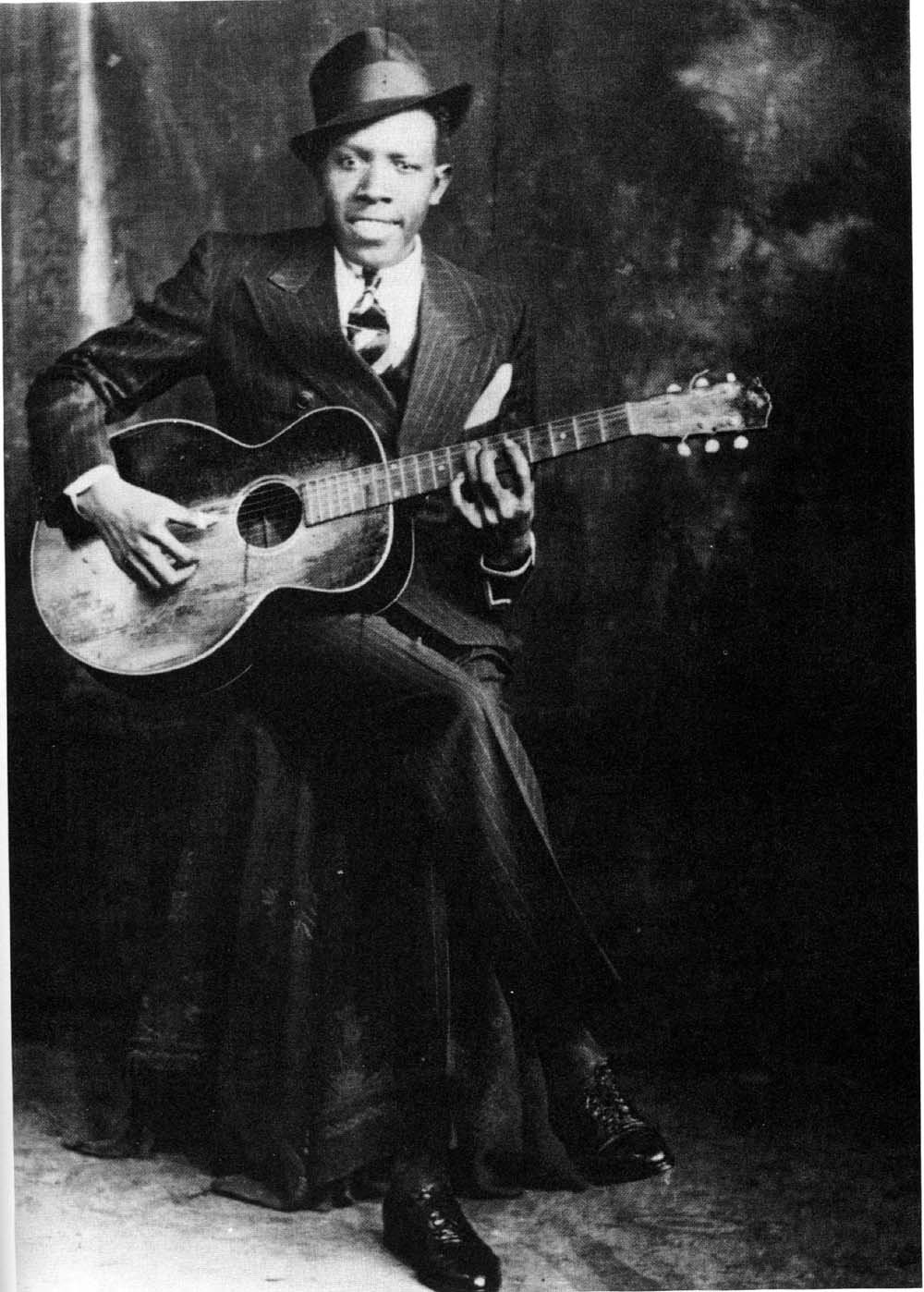
Staring down a wall of vinyl or a seemingly endless digital library can be daunting when you’re trying to find the real deal in blues records. It's easy to get lost in the sheer volume, but knowing which albums cut through the noise to define the genre is key.
At a glance:
- Discover blues albums representing different subgenres, from Delta to Electric.
- Learn about the artists who shaped blues history and their signature sounds.
- Gain insights into what makes each album a must-listen for blues enthusiasts.
- Get recommendations for building a foundational blues record collection.
- Understand how these albums influenced subsequent musical styles.
Why Certain Blues Records Become “Essential”
The label "essential" isn't just about popularity; it's about influence, innovation, and impact. These blues records weren't just hits; they redefined the genre, inspired countless musicians, and continue to resonate with listeners today. They often represent a pivotal moment in an artist's career or a turning point in the evolution of the blues itself. They capture a raw, unvarnished emotion or showcase a groundbreaking technique that set a new standard.
Diving Deep: Genre-Defining Blues Records
Let's explore some cornerstones of the blues, broken down by subgenre, to understand their impact:
The Soul-Baring Honesty of Delta Blues: King of the Delta Blues Singers (Robert Johnson)
Robert Johnson's King of the Delta Blues Singers is more than just a collection of songs; it's a cornerstone of the blues. Recorded in 1936 and 1937, these tracks are steeped in the myths and realities of the Mississippi Delta. Johnson's haunting vocals, masterful guitar work, and evocative lyrics created a sound that's both timeless and intensely personal. This album captures the raw emotion and spiritual depth that define Delta blues.
Why it's essential: Johnson's influence is undeniable. Artists from Eric Clapton to The Rolling Stones have covered his songs, solidifying his legacy as a foundational figure. The album's rawness and emotional intensity continue to captivate listeners.
Jazz-Infused Blues: Lady In Satin (Billie Holiday)
Billie Holiday's Lady In Satin differs from many blues records on this list in its orchestration, but it's an essential listen. Her world-weary vocals, colored by the experiences of her life, lend a distinctively bluesy shade to every track. It’s a testament to the power of emotional delivery within the blues idiom.
Why it's essential: Holiday’s phrasing and emotional depth are unparalleled. While not strictly a blues album in the traditional sense, Lady In Satin showcases how the blues can be interpreted and expressed through a jazz lens.
Detroit's Distinctive Sound: The Legendary Modern Recordings 1948-1954 (John Lee Hooker)
John Lee Hooker's The Legendary Modern Recordings 1948-1954 offers a glimpse into the raw, stripped-down sound of Detroit blues. His unique style, characterized by his rusty metal sound, foot-tapping rhythm, and distinctive vocals, set him apart. These recordings capture the essence of his early work.
Why it's essential: Hooker's improvisational style and distinctive voice are instantly recognizable. This collection showcases the raw energy and urban grit that define Detroit blues.
Rhythm & Blues with a Vengeance: At Home With Screamin’ Jay Hawkins (Screamin’ Jay Hawkins)
Screamin' Jay Hawkins' At Home With Screamin' Jay Hawkins is a wild ride through the theatrical side of rhythm & blues. Featuring his signature song, "I Put A Spell On You," Hawkins transformed a ballad into a visceral, almost primal experience.
Why it's essential: Hawkins' over-the-top performances and theatrical stage presence pushed the boundaries of R&B. "I Put A Spell On You" remains a classic example of how the blues can be both haunting and darkly comedic.
The British Blues Invasion: Blues Breakers (John Mayall With Eric Clapton)
John Mayall's Blues Breakers, often called "The Beano Album," marked a turning point for British blues. Eric Clapton's fiery guitar work combined with Mayall's harmonica and vocals ignited a blues boom in the UK and beyond.
Why it's essential: Clapton's playing on this album is legendary. Blues Breakers inspired a generation of British guitarists and helped bring the blues to a wider audience, paving the way for the rock explosion that followed.
Electric Blues at its Finest: Born Under a Bad Sign (Albert King)
Albert King's Born Under a Bad Sign is a masterclass in electric blues. King's stinging guitar riffs, soulful vocals, and the tight arrangements, featuring Booker T. Jones and Isaac Hayes, combined to create an album that's both powerful and deeply emotional.
Why it's essential: Born Under a Bad Sign is considered one of the greatest blues albums of all time. King's guitar playing is instantly recognizable, and the album's songs have been covered by countless artists.
Pushing Boundaries: Mirror Man (Captain Beefheart & His Magic Band)
Captain Beefheart's Mirror Man is… different. Calling it straight "blues" is a simplification, but its roots burrow deep into the genre. It’s experimental, challenging, and defies easy categorization, incorporating elements of avant-garde and free jazz.
Why it's essential: It demonstrates the outer limits of blues experimentation. Its unconventional structures and dissonant harmonies offer a challenging but rewarding listening experience.
Rock-Fueled Blues: Tres Hombres (ZZ Top)
ZZ Top's Tres Hombres marked the band's commercial breakthrough, blending blues with boogie-woogie and a healthy dose of Texas grit. Featuring the classic "La Grange," the album established ZZ Top as a major force in rock and blues.
Why it's essential: Tres Hombres proved that the blues could be both commercially successful and critically acclaimed. Its raw energy and infectious grooves made it a staple of rock radio.
Chicago Blues Reborn: Hard Again (Muddy Waters)
Muddy Waters' Hard Again, produced by Johnny Winter, revitalized Waters' career and showcased the enduring power of Chicago blues. Waters' powerful vocals and guitar work, combined with Winter's raw production, brought a renewed energy to his sound.
Why it's essential: Hard Again is a testament to the timelessness of the blues. Waters' performance is electrifying, and the album captures the raw energy of a blues legend at the peak of his powers.
Trance-Inducing Blues: Fantasizing About Being Black (Otis Taylor)
Otis Taylor's Fantasizing About Being Black is a modern masterpiece of trance blues. Raw, emotional, and hypnotic, the album explores themes of race, identity, and social justice with unflinching honesty.
Why it's essential: Taylor's unique blend of blues, folk, and spoken word creates a haunting and unforgettable listening experience. Fantasizing About Being Black demonstrates the continued relevance and power of the blues in the 21st century.
Building Your Blues Record Collection: A Practical Guide
So, you're ready to start (or expand) your collection of essential blues records. Here’s a plan:
- Start with the foundational artists: Robert Johnson, Muddy Waters, and John Lee Hooker. These artists laid the groundwork for much of what followed.
- Explore different subgenres: Branch out into electric blues (Albert King), British blues (John Mayall), and more contemporary styles (Otis Taylor).
- Listen critically: Pay attention to the instrumentation, vocals, and overall feel of each album. What makes it unique? How does it compare to other blues records?
- Don't be afraid to explore: The blues is a vast and diverse genre. Don't limit yourself to the most well-known artists. Discover new and emerging blues musicians.
- Consider format: Vinyl offers a unique listening experience, but CDs and digital formats are more convenient. Choose the format that works best for you. To further your exploration, check out the broader guide to the Greatest Blues Albums: The List.
Blues Records: Quick Answers to Common Questions
Q: Why are so many early blues recordings compilations?
A: Many early blues artists weren't recording "albums" in the modern sense. They were recording individual tracks for 78 RPM records. Compilations bring together these scattered recordings into a more accessible format.
Q: Is it okay to start with rock-blues albums like ZZ Top?
A: Absolutely! Rock-blues can be a great gateway into the genre. It often has a more accessible sound for listeners unfamiliar with the rawer, more traditional sounds of the blues. From there, you can explore the roots of rock-blues in the earlier blues artists.
Q: What's the best way to discover new blues artists?
A: Explore online music platforms, listen to blues radio shows, and attend live blues performances. Check out artists influenced by these greats.
Crafting Your Blues Playlist: A Quick Start
Here's a sample playlist to get you going:
- Robert Johnson - "Cross Road Blues"
- Muddy Waters - "Hoochie Coochie Man"
- John Lee Hooker - "Boogie Chillen'"
- Albert King - "Born Under a Bad Sign"
- B.B. King - "The Thrill Is Gone"
- Stevie Ray Vaughan - "Pride and Joy"
- Etta James - "At Last"
- Howlin' Wolf - "Smokestack Lightning"
- Buddy Guy - "Damn Right, I've Got the Blues"
- Otis Taylor - "Ten Million Slaves"
This is just a starting point, get lost discovering your own favorite tracks, compare different styles and artists, and let the music guide you.
Your Blues Journey Starts Now
Discovering the blues is a journey, not a destination. There's always something new to learn, some new artist to discover. Dive in, explore, and let the music speak to you. You'll find yourself captivated by the power, the emotion, and the enduring legacy of the blues.