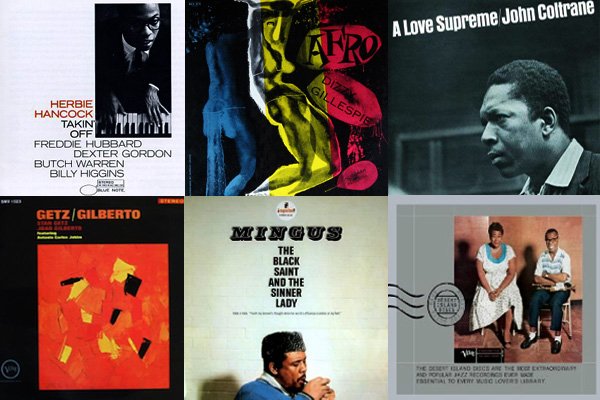
Want to sound like you know your stuff when the conversation turns to jazz? Knowing a few of the coolest jazz albums is a great place to start. Not just for credibility, but because these records are genuinely outstanding and have shaped the musical landscape.
At a glance:
- Discover albums that define "cool" in jazz, from laid-back modal sounds to avant-garde explorations.
- Learn how these albums pushed musical boundaries and influenced generations of musicians.
- Understand what makes each album unique, from innovative instrumentation to groundbreaking compositions.
- Create a starting point for your own exploration of jazz history.
What Makes an Album "Cool" in Jazz?
"Cool" in jazz isn't just about a vibe; it's a reflection of innovation, attitude, and lasting impact. It often signifies a departure from established norms, a willingness to experiment, and a certain je ne sais quoi that resonates with listeners across generations. It's not about being flashy, but about understated brilliance and effortless groove.
Some elements that make an album cool:
- Innovation Pushing the boundaries of what jazz could be, whether through new harmonies, rhythms, or instrumentation
- Unique Sound Setting themselves apart with a distinctive sonic signature.
- Influence Inspiring countless musicians and shaping the direction of jazz.
- Timelessness Remaining relevant and enjoyable decades after their release.
- Attitude Projecting a sense of confidence, sophistication, or rebellion.
Essential Albums to Get You Started
Here's a curated selection of coolest jazz albums, each with its own distinct flavor and impact. Consider this your crash course in cool jazz history.
The Modal Pioneers: Miles Davis and Kind of Blue
No discussion of coolest jazz albums is complete without Kind of Blue (1959). Miles Davis' masterpiece is the epitome of modal jazz, prioritizing atmosphere and melodic development over complex chord changes. Its accessibility made it a crossover hit, influencing not only jazz musicians but artists in rock, classical, and beyond.
- Why it's cool: Its understated elegance and haunting melodies create an atmosphere of effortless cool.
- Listen for: The spacious arrangements, Miles' muted trumpet, and the interplay between the musicians.
Giant Steps, Coltrane: A Masterclass in Complexity
On the other end of the spectrum, John Coltrane's work shows off the complexities of jazz. Giant Steps from 1960 is a whirlwind of harmonic innovation. The album's frenetic pace and complex chord progressions make it a challenging but rewarding listen.
- Why it's cool: Its fearless exploration of harmonic possibilities and jaw-dropping virtuosity
- Listen for: The rapid-fire solos, the "Coltrane changes," and the sheer intensity of the performance.
Wayne Shorter's Speak No Evil: Sophistication Defined
Speak No Evil (1966) by Wayne Shorter is another post-bop gem that showcases Shorter's genius as a composer and improviser. You can hear a blend of complex harmonies with memorable melodies, and a dark, mysterious atmosphere.
- Why it's cool: The perfect balance of sophistication and intrigue, with a hint of darkness.
- Listen for: Shorter's lyrical saxophone playing, the haunting melodies, and the overall sense of mystery.
Art Blakey and the Jazz Messengers' Moanin': Hard Bop Energy
For a dose of high-energy hard bop with a bluesy edge, look no further than Moanin' (1959) by Art Blakey and the Jazz Messengers. With collaborative spirit and undeniable groove, this album is an absolute classic.
- Why it's cool: The infectious energy, bluesy feel, and the dynamic interplay between the musicians.
- Listen for: Blakey's powerful drumming, Lee Morgan's fiery trumpet solos, and Bobby Timmons' soulful piano.
Dave Brubeck and Experimentation: Time Out
Time Out (1959) by The Dave Brubeck Quartet dared to venture into unusual time signatures. And it paid off – "Take Five" became a massive hit, proving that experimental jazz could be accessible and popular. It was the first jazz LP to sell over a million copies.
- Why it's cool: The audacity to experiment with unusual time signatures and the unexpected commercial success.
- Listen for: The odd time signatures (5/4 in "Take Five," 9/8 in "Blue Rondo a la Turk"), Brubeck's distinctive piano style, and Paul Desmond's lyrical saxophone.
Miles Davis' Bitches Brew: The Birth of Fusion
Bitches Brew (1970) is where jazz collided with rock, funk, and electronic music. Miles Davis spearheaded the fusion movement, and divided audiences in the process.
- Why it's cool: The sheer audacity of blending jazz with other genres and the creation of a new musical landscape.
- Listen for: The psychedelic textures, the electric instruments, and the overall sense of sonic exploration.
The Genius of Modern Music: Volume 1: Thelonious Monk
Thelonious Monk made his mark with his unconventional harmonies and rhythms marking a new era of jazz with this genius mind. His unique approach to the piano and composition left an indelible mark on the genre.
- Why it's cool: The unique, quirky compositions and Monk's unconventional piano playing.
- Listen for: The dissonant harmonies, the angular melodies, and the overall sense of playful experimentation.
Kamasi Washington: The Epic
Stepping into the modern era, Kamasi Washington's The Epic (2015) is a sprawling, ambitious work that redefines the possibilities of jazz. With its orchestral arrangements, spiritual themes, and blend of influences, The Epic is a statement piece that captures the spirit of our time and expands the definition of jazz and its possibilities.
- Why it's cool: Its scope and ambition, the blend of influences, and the message of spiritual awakening.
- Listen for: The orchestral arrangements, the soaring melodies, and the overall sense of transcendence.
The Real McCoy, McCoy Tyner:
You can't have jazz without the influence of John Coltrane, and the album The Real McCoy is a prime example. This album is a result of Coltrane's work and is a groundbreaking work by Tyner.
Why it's cool: The album is a pure jazz session.
Listen for: Tyner's unique style of playing along with jazz classics.
Cool Jazz Album Playbook: Finding Your Own
Finding your own coolest jazz albums is a journey. Use these tips to guide your exploration:
- Start with the classics: Kind of Blue, A Love Supreme, and Time Out are essential starting points.
- Explore different subgenres: From hard bop to fusion to avant-garde, jazz has a diverse range of styles to explore.
- Follow the musicians: If you like a particular artist, check out their other albums and collaborations.
- Read reviews and recommendations: Critics and fellow listeners can point you towards hidden gems.
- Trust your ears: Ultimately, the coolest jazz albums are the ones that resonate with you.
A Quick Start Guide
If you're feeling overwhelmed, here's a simplified approach:
- Pick one album from each era: 1950s, 1960s, 1970s, and contemporary.
- Listen actively: Pay attention to the instrumentation, melodies, rhythms, and overall feel.
- Research the artists: Learn about their backgrounds, influences, and other works.
- Share your discoveries: Discuss your favorite albums with friends or online communities.
- Repeat: Keep exploring and expanding your knowledge of jazz.
Quick Answers: Common Questions About Cool Jazz
Q: What's the difference between cool jazz and other subgenres?
A: Cool jazz emphasizes melodic development, relaxed tempos, and a more restrained emotional expression compared to other styles like bebop or hard bop.
Q: Is Kind of Blue really that good?
A: Yes. Its influence is undeniable, and its accessibility makes it a great entry point for new listeners. However, keep in mind that jazz is subjective, and you may find other albums that resonate more with you.
Q: Where can I find these albums?
A: Most of these albums are available on streaming services like Spotify, Apple Music, and Tidal. You can also find them on vinyl or CD at record stores or online retailers.
Q: Are there any female artists in this list of "coolest jazz albums?"
A: While this piece highlights a few of the most well-known albums, there are several women in jazz who contributed to some of the coolest jazz albums, like Ella Fitzgerald in Ella Fitzgerald Sings the Duke Ellington Songbook, and Alice Coltrane in Universal Consciousness. Both of these women pushed the boundaries of jazz both in their own way.
Q: How many of the albums in this list have won awards?
A: There are several award-winning albums in this list by artists such as Miles Davis, John Coltrane, Kamasi Washington, and more.
Dive Deeper Into Jazz
Exploring these coolest jazz albums is just the beginning. To truly appreciate the richness and diversity of jazz, explore great jazz albums and expand your horizons by finding more records from this list that have shaped the genre—Essential jazz records here. Happy listening!