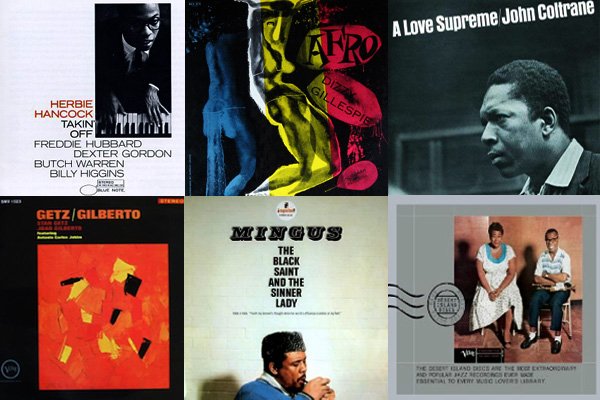
So, you're curious about jazz, but don't know where to start? Diving into the world of jazz can feel overwhelming, especially with its rich history and diverse subgenres. But fear not! There's a collection of famous jazz albums that have stood the test of time, acting as perfect gateways for any curious music lover—even if you think you don't like jazz. These albums aren't just historically significant; they're incredibly enjoyable listens that showcase the genre's incredible range and enduring appeal.
At a glance:
- Discover essential jazz albums that are widely acclaimed and accessible to new listeners.
- Understand what makes these albums so influential and groundbreaking.
- Explore a variety of jazz styles, from swing to bebop to fusion.
- Learn about key artists and their contributions to jazz history.
- Get practical recommendations for building your own jazz collection.
- Debunk common misconceptions about jazz.
What Makes an Album "Famous" in Jazz?
The term "famous" can be tricky when talking about jazz. Unlike pop music, where chart success reigns supreme, fame in jazz hinges on a few key factors:
- Critical Acclaim: Reviews from respected jazz critics and publications.
- Influence: The album's impact on other musicians and the evolution of jazz.
- Sales & Longevity: While platinum records are rare, consistent sales over decades and remaining in print are strong indicators.
- Cultural Impact: Recognition beyond jazz circles, influencing other art forms or entering the popular consciousness.
Essentially, these albums are important touchstones. They represent innovations, watershed moments, and enduring artistic statements that shaped the genre. Some options, depending on the surrounding context: * Find amazing jazz records * Discover great good jazz * Explore essential good jazz * Good jazz record guide * Finding great good jazz This guide will help you find even more as you explore the space more.
Essential Jazz Albums: A Journey Through the Genre
Let's explore some of the most famous jazz albums, showcasing the breadth and depth of the genre. These aren't ranked in order of "best" – that's far too subjective – but rather offered as a diverse starting point.
The Swing Era: Setting the Stage
- Louis Armstrong – Hot Fives and Hot Sevens (1925-1930): These early recordings captured Armstrong's solo brilliance and established the template for jazz soloing. Think of it as jazz's "Year Zero." These tracks highlight how Armstrong’s solos moved jazz from ensemble playing into a soloist's art form.
- Duke Ellington – Ellington at Newport (1956): A career-reviving performance, fueled by Paul Gonsalves' legendary 27-chorus tenor sax solo on "Diminuendo and Crescendo in Blue." Why it matters: This album revived Ellington's career at a time when big band music was losing popularity.
The Bebop Revolution: A New Language - Charlie Parker – Bird and Diz (1950): Though not mentioned in the original context, no collection of famous jazz albums is complete without Charlie Parker. Showcasing Parker's virtuosity and improvisational genius alongside Dizzy Gillespie's innovative trumpet playing.
- Sonny Rollins – Saxophone Colossus (1956): Features Rollins' iconic composition "St. Thomas" and exemplifies thematic development in improvisation. Practical Takeaway: Listen to how Rollins takes a simple melody and expands upon it throughout the song.
- Dexter Gordon - GO (1962): Album showcases Gordon's hard bop mastery. This is a good option to explore as an alternative to the more commonly mentioned albums by Rollins and Coltrane.
Cool Jazz and Modal Exploration: A More Relaxed Vibe - Miles Davis – Kind of Blue (1959): An undisputed masterpiece of modal jazz, featuring Davis, John Coltrane, and Bill Evans. Why it’s essential: It moved away from complex chord changes, focusing on melody and atmosphere, making it surprisingly accessible. This album has sold over 4 million copies.
- Dave Brubeck – Time Out (1959): Known for its unusual time signatures, especially in "Take Five." The first jazz album to sell over a million copies. Consider this: The album's unexpected success proved that jazz could be both experimental and commercially viable.
Hard Bop: A Bluesier, Gospel-Infused Sound - Art Blakey & The Jazz Messengers - Moanin’ (1958): Mixes gospel, blues, and jazz elements. This album marked a turning point in Blakey's career. It's a great example of the soulful side of jazz.
- Horace Silver - Song for My Father (1963 - 1964): The title song has bossa nova influence. Solid hard bop album with a great groove that is easy to listen to for any music lover.
- Hank Mobley - Soul Station (1960): Mobley proves to be a solid band leader and saxophonist with this album. This album is less talked about, but puts Mobley on the same level of a band leader as Coltrane or Rollins.
Avant-Garde and Free Jazz: Pushing Boundaries - Ornette Coleman - The Shape of Jazz to Come (1959): A radical departure from traditional jazz, abandoning chord instruments and fixed harmonies. This album is not for the faint of heart, but it's crucial for understanding the evolution of jazz.
Jazz Fusion: Embracing Electric Sounds - Miles Davis - Bitches Brew (1969): A groundbreaking fusion of jazz, rock, and funk, featuring electric instruments. Key Insight: This album divided critics but opened up new possibilities for jazz.
- Herbie Hancock - Head Hunters (1973): A landmark jazz fusion album that blends jazz, funk, and R&B. Impact: It became the first jazz album to achieve platinum status, selling over a million copies.
Vocal Jazz: The Power of the Voice - Billie Holiday – Lady in Satin (1958): A deeply emotional and poignant recording featuring Holiday's distinctive voice and Ray Ellis' string arrangements. Why it resonates: Recorded shortly before her death, the album captures Holiday's raw vulnerability.
- Sarah Vaughan – With Clifford Brown (1954): A near-perfect collaboration showcasing Vaughan's scat singing and vocal prowess. Listen for: Vaughan's ability to use her voice as an instrument, improvising melodies with incredible agility.
Piano Jazz: The Keyboard Wizards - Bill Evans – Waltz For Debby (1962): A live recording showcasing the telepathic interplay between Evans, Scott LaFaro, and Paul Motian. What to appreciate: The trio's ability to create a unified sound while allowing each member to shine individually.
- Erroll Garner – Concert By The Sea (1955): An unexpected concert recording that catapulted Garner to fame, showcasing his sophisticated swing and unique right-hand improvisations. Fun Fact: The album earned Garner $1 million within three years of its release.
- Oscar Peterson – Night Train (1963): Featuring Peterson's signature swing and compositions by jazz legends like Duke Ellington and Count Basie. It's the perfect album for introducing someone to the joys of swing.
- Keith Jarrett - The Köln Concert (1975): The best selling solo piano and jazz album featuring a live performance.
Building Your Jazz Collection: Practical Tips
Starting a jazz collection can be exciting. Here are some tips to help you along the way:
- Start with the Essentials: Focus on the albums listed above as a foundation.
- Explore Subgenres: Once you have a grasp of the basics, delve into subgenres that appeal to you, whether fusion, vocal jazz, or free jazz.
- Listen Actively: Pay attention to the musicianship, the improvisations, and the overall feel of the music. Jazz is not just background music; it's an active listening experience.
- Read Reviews: Use reviews to guide your exploration. Publications like DownBeat and All About Jazz offer insightful critiques.
- Don't Be Afraid to Experiment: Venture beyond the "famous" albums and discover new artists and sounds.
- Consider Vinyl: Many jazz enthusiasts prefer the warmth and richness of vinyl records.
- Support Jazz Artists: Attend live performances and purchase music directly from artists or independent record stores.
Quick Answers: Common Questions About Jazz
- "Jazz is too complicated. I don't get it." Start with melodic and accessible albums like Kind of Blue or Time Out. Focus on the melody and rhythm first, and gradually appreciate the improvisations.
- "Isn't jazz just elevator music?" Absolutely not! While some jazz can be mellow, the albums listed above showcase the energy, innovation, and emotional depth of the genre.
- "Where can I learn more about jazz history?" PBS's "Jazz" documentary by Ken Burns is an excellent overview. There are also countless books and online resources dedicated to jazz history.
- "What's the best way to discover new jazz artists?" Streaming services like Spotify and Apple Music have curated jazz playlists. Explore related artists based on your favorites.
- "Is jazz only for older people?" Not at all! Jazz is a timeless genre that appeals to people of all ages. Many contemporary artists are pushing the boundaries of jazz and attracting new audiences.
Taking the Next Step: Your Jazz Journey Begins Now
Don't let the vastness of jazz intimidate you. Start with these famous jazz albums, listen actively, explore different subgenres, and most importantly, enjoy the music! Allow yourself to be surprised by the range of the music and let the artists become new friends.
Which album will you pick up first?