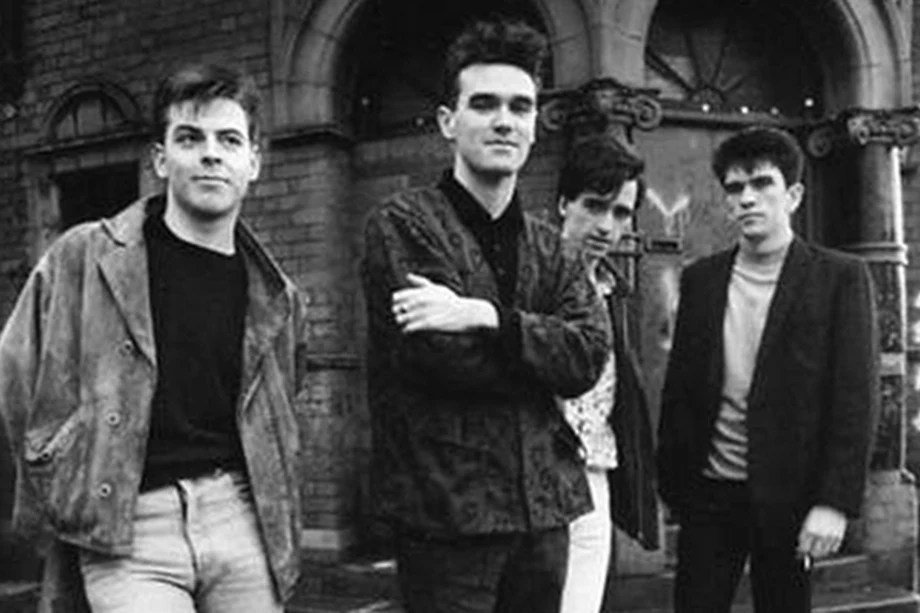
For the bigger picture and full context, make sure you read our main guide on Best Indie Rock Bands: Timeless Music Scene Shapers.
markdown
Ever wondered what makes some bands stand the test of time, constantly influencing new generations of musicians? It's often the fiercely independent spirit that fuels their creativity. This staying power is a hallmark of indie bands rock, a genre constantly reinventing itself.
At a glance:
- Understand the core values that define the "indie" in indie rock.
- Explore pivotal bands and their impact on the genre's evolution.
- Learn how DIY ethics and artistic freedom shape unique sounds.
- Discover how to spot authentic indie bands pushing creative boundaries.
- Grasp the ongoing evolution of indie rock and its continuing influence.
What Makes Indie Bands Rock "Indie"?
The term "indie" goes beyond just being unsigned. It represents a commitment to creative control, DIY ethics, and a distinct artistic vision. "Indie bands rock" because they prioritize their artistic integrity above all else. Think of it as a mindset – pushing boundaries and staying true to their unique sound. This often means forming their own labels or partnering with smaller independent labels that offer them creative freedom, a path chosen by bands like The Smiths early on.
Let's consider a few defining characteristics:
- DIY Ethos: Indie bands often handle aspects like recording, promotion, and touring themselves. This hands-on approach fosters a deep connection with their music and fans.
- Artistic Freedom: They resist pressure to conform to mainstream trends, allowing them to experiment and create innovative sounds.
- Unique Sound: Indie rock embraces diverse influences, blending elements of alternative, punk, folk, and electronic music. This creates a constantly evolving sonic landscape.
The Indie Rock Hall of Fame: Bands That Shaped the Sound
Several bands have epitomized the spirit of indie bands rock. These artists not only created incredible music but also inspired countless others to embrace independence.
The Strokes: Garage Rock Revivalists
The Strokes, emerging from New York City, spearheaded the garage rock revival of the early 2000s. Their raw energy, catchy hooks, and effortlessly cool vibe captivated audiences worldwide. Their EP, The Modern Age (2001), ignited a frenzy among record labels, proving that indie could be commercially viable without sacrificing authenticity. They also proved with their 2020 Grammy Win how a band can stay true to itself and have commercial success.
Arctic Monkeys: Internet Sensations to Stadium Headliners
The Arctic Monkeys took a different path to stardom, leveraging the power of the internet to build a dedicated fanbase. Hailing from Sheffield, England, they were among the first bands to truly harness the power of social media to amass a following before ever signing a record deal. Their debut album, Whatever People Say I Am, That’s What I’m Not (2006), became the fastest-selling debut album in UK history, proving that indie bands rock could conquer the mainstream on their own terms. Their ability to evolve their sound, as demonstrated by albums like AM (2013) and Tranquility Base Hotel & Casino (2018), has kept them relevant and influential.
The Smiths: Literary Lyrics and Indie Anthems
The Smiths, fronted by the iconic Morrissey, redefined indie rock with their literate lyrics, melancholic melodies, and uncompromising stance against the music industry. From the beginning, they signed with an independent label and managed to have all their albums reach the top five of the UK charts. Their commitment to independence resonated with fans who craved authenticity and substance. Their influence can be heard in countless bands that followed, solidifying their status as indie rock legends.
Radiohead: Genre-Bending Innovators
Radiohead's journey is a testament to the power of artistic experimentation. While their early hit "Creep" established them in the mainstream, they quickly shed their Britpop skin and embraced a more experimental and challenging sound. Albums like OK Computer (1997), Kid A (2000), and In Rainbows (2007) pushed the boundaries of indie rock, incorporating electronic elements and unconventional song structures. Radiohead's willingness to take risks and challenge expectations has made them one of the most influential and respected bands of their generation. You can broaden your understanding of the bands that shaped the musical landscape with this guide: Explore Indie Rock Greats.
Other Key Players
- Pixies: Mastered the loud-quiet-loud dynamic that influenced grunge and alternative rock.
- Sonic Youth: Pioneered noise rock and experimental guitar techniques.
- Neutral Milk Hotel: Cult favorites known for their lo-fi, emotionally resonant sound.
- Arcade Fire: Grand, cinematic arrangements mixed with indie sensibilities.
- Vampire Weekend: Blending indie rock with Afrobeat, baroque pop, and witty lyricism.
- Interpol: Dark, atmospheric sound inspired by post-punk.
- Tame Impala: Bringing psychedelic rock into the indie mainstream.
- Belle and Sebastian: Known for their melodic indie pop and introspective lyrics.
The Indie Rock DNA: Common Threads and Evolving Sounds
Despite the diversity within the genre, several key elements unite indie bands rock.
- Lyrical Depth: Indie rock lyrics often explore complex themes, personal experiences, and social commentary.
- Sonic Experimentation: Bands frequently experiment with unconventional instruments, recording techniques, and song structures.
- Emotional Honesty: Indie rock prioritizes emotional authenticity over polished perfection.
- Genre Blending: Indie bands draw inspiration from a wide range of genres, creating unique and innovative sounds.
The sounds of the 1980s differ wildly from the 2000s. Bands like Joy Division pioneered post-punk, paving the way for later artists like Interpol. The Detroit garage rock scene, exemplified by The White Stripes, brought a raw, lo-fi aesthetic to the forefront. More recently, bands like Tame Impala have blended psychedelic rock with electronic elements, pushing the boundaries of the genre even further. These changes reflect the fact that while indie bands rock share key values, they are always evolving.
Staying True: Practical Guidance for Emerging Indie Bands
Want to embrace the true spirit of indie bands rock? Here's a quick guide:
- Define Your Sound: Experiment with different sounds and influences to develop a unique sonic identity. Don’t be afraid to be weird or unconventional. It's what makes you, you.
- Embrace the DIY Ethos: Record your own music, book your own shows, and promote yourself online. Start small and build from there.
- Connect with Your Fans: Engage with your audience online and at shows. Build a community around your music.
- Stay True to Your Vision: Resist pressure to conform to mainstream trends. Maintain creative control over your music and your career.
- Find Your Tribe: Connect with other indie musicians and artists. Support each other and collaborate on projects.
Indie Bands Rock: Quick Answers to Common Questions
Q: Is "indie" just another word for "alternative"?
A: Not quite. While there's overlap, "indie" emphasizes the band's independent status (usually unsigned or on a small label) and DIY ethos. "Alternative" is a broader term encompassing various non-mainstream rock genres.
Q: Do indie bands have to sound a certain way?
A: Absolutely not! The beauty of indie rock is its diversity. There's no single "indie" sound. From the lo-fi sounds of Sebadoh to the orchestral arrangements of Arcade Fire, indie rock embraces experimentation and defies categorization.
Q: Can an indie band become "too" successful?
A: Success doesn't automatically negate a band's "indie" status as long as they maintain creative control and stay true to their values. Signing to a major label doesn't necessarily mean selling out. It depends on the terms of the deal and the band's commitment to their artistic vision.
Q: How do I find new indie bands rock?
A: Explore music blogs, independent music stores, and online music communities. Attend local shows and support your local scene. Streaming services often have playlists dedicated to indie rock, which can be a great way to discover new artists.
Your Indie Rock Playbook: A Quick Start
Ready to dive into the world of indie bands rock? Here’s a quick-start guide for both musicians and fans:
For Musicians:
- Start a Band: Find like-minded musicians who share your vision.
- Write Original Music: Don't be afraid to experiment and push creative boundaries.
- Record Your Music: Start with lo-fi recordings and gradually improve your production quality.
- Promote Yourself Online: Create a website and social media profiles.
- Play Live Shows: Build a local following and expand your reach.
For Fans: - Explore Indie Music Blogs: Discover new artists and stay up-to-date on the latest indie rock news.
- Attend Local Shows: Support your local indie rock scene.
- Buy Music Directly from Bands: Support their work and help them continue creating.
- Share Your Favorite Indie Bands with Friends: Spread the word and grow the indie rock community.
Indie bands rock because they represent a spirit of independence that resonates with musicians and fans. Embrace it, and you'll discover a world of creativity, innovation, and authentic artistry.