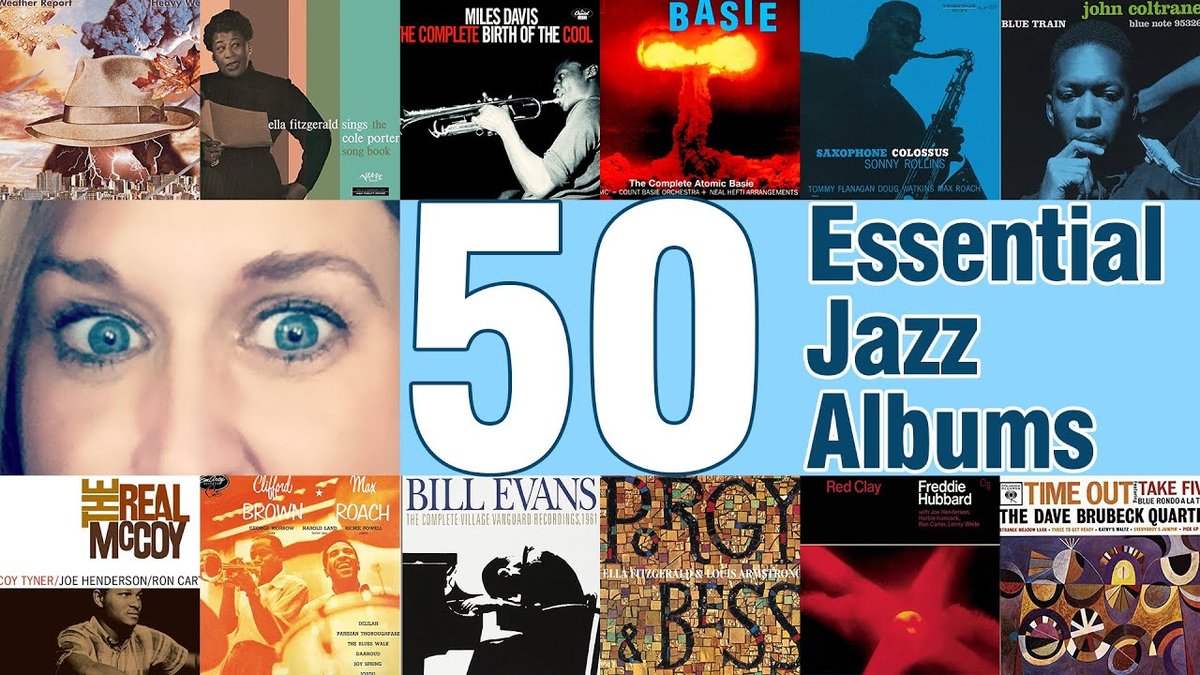
Deciding where to start with jazz can feel overwhelming. There's a vast ocean of recordings, and the idea of finding the top jazz CDs of all time can feel like searching for a single grain of sand on a beach. But fear not! This guide cuts through the noise, offering a curated exploration of albums that are not just critically acclaimed, but also gateways to understanding and appreciating this incredible genre. This isn't just a list; it's a roadmap.
At a glance:
- Discover seminal jazz albums that shaped the genre.
- Understand the key artists and styles that define jazz history.
- Gain actionable insights to build your own jazz collection.
- Learn how these albums influenced music beyond jazz.
- Debunk common myths about "difficult" jazz and find accessible starting points.
Why These Albums Matter: Lasting Impact and Deep Grooves
These albums aren't just old records; they're cultural milestones. They represent pivotal moments in jazz history, showcasing innovations in improvisation, composition, and instrumental technique. They've influenced countless musicians across genres and continue to inspire listeners today. Think of them as the foundational texts of a musical language – understanding them unlocks a deeper appreciation for everything that came after.
For example, Miles Davis's Kind of Blue isn't just a jazz album; it's a blueprint for modal jazz. Its simplicity and emphasis on mood revolutionized jazz harmony and opened up new avenues for improvisation. Similarly, John Coltrane's A Love Supreme transcends genre, offering a deeply spiritual meditation expressed through powerful saxophone playing. Its impact can be heard in everything from devotional music to experimental rock.
Building Your Jazz Library: A Curated Selection
Creating your own collection of top jazz CDs of all time is a personal journey. But here’s a foundation to build upon, covering key artists and styles:
- The Essentials:
- Kind of Blue (Miles Davis, 1959): The quintessential jazz album. A perfect entry point.
- A Love Supreme (John Coltrane, 1965): A spiritual journey in sound. Intense but rewarding.
- Giant Steps (John Coltrane, 1960): A technical tour-de-force. Prepare to be amazed (and maybe overwhelmed at first!).
- Time Out (The Dave Brubeck Quartet, 1959): Accessible and experimental. "Take Five" is just the beginning.
- Moanin’ (Art Blakey and the Jazz Messengers, 1959): Hard bop at its finest. Bluesy, soulful, and energetic.
- Exploring Different Styles:
- Speak No Evil (Wayne Shorter, 1966): A cornerstone of Blue Note Records. Melodic and mysterious.
- Mingus Ah Um (Charles Mingus, 1959): Blues-infused and politically charged. A powerful statement.
- Saxophone Colossus (Sonny Rollins, 1957): Defining tenor saxophone playing. Pure joy.
- Bitches Brew (Miles Davis, 1970): The birth of jazz fusion. Electric and experimental.
- Head Hunters (Herbie Hancock, 1973): Defined Jazz-Funk.
- Beyond the familiar
- The Shape of Jazz to Come (Ornette Coleman, 1959): Broke traditional structures and introduced free jazz.
- The Köln Concert (Keith Jarrett, 1975): Top-selling solo jazz album ever. Raw Emotionality; intimate.
- Return to Forever (Chick Corea, 1972): Latin Fusion Pioneer and melodic accessibility.
- Page One (Joe Henderson, 1963): Debut of a Jazz Giant.
Pro Tip: Don't feel pressured to "get" everything immediately. Jazz is a genre that rewards repeated listening. Approach these albums with an open mind and allow yourself to be surprised.
Decoding the Sounds: Understanding Jazz Styles
Each of these top jazz CDs of all time represents a particular style or subgenre within jazz. Understanding these styles can help you navigate the vast landscape of jazz and find the sounds that resonate with you:
- Bebop: Fast tempos, complex harmonies, virtuosic improvisation (think Charlie Parker and Dizzy Gillespie).
- Hard Bop: A soulful, bluesy extension of bebop with a stronger emphasis on rhythm (think Art Blakey and Horace Silver). Moanin' is a prime example.
- Cool Jazz: Relaxed tempos, melodic focus, and a more understated approach to improvisation (think Miles Davis's early work and Chet Baker).
- Modal Jazz: Simplifies chord progressions, emphasizing improvisation based on modes (scales) rather than chord changes (think Kind of Blue).
- Jazz Fusion: A blend of jazz with rock, funk, and electronic music (think Miles Davis's Bitches Brew and Weather Report).
From Listening to Learning: Actionable Steps
Okay, you've got the list. Now what? Here’s how to go from casual listener to informed enthusiast:
- Start with the Accessible: Kind of Blue is universally praised for a reason. It's beautiful, melodic, and easy to listen to, even for beginners.
- Read the Liner Notes: Many jazz CDs include informative liner notes that provide context about the music and the artists.
- Listen Actively: Pay attention to the interplay between the musicians, the solos, and the overall mood of the music.
- Do Some Research: If you hear something you like, research the artist and the other musicians on the recording.
- Explore Related Artists: Use streaming services or online databases to discover similar artists and albums.
- Go See Live Music: The best way to experience jazz is live. Find a local jazz club or concert venue and immerse yourself in the music.
- Don't be afraid to ask. Local jazz musicians are usually more than happy to talk about their favorite records and artists.
Jazz Deep Dive: Practical Playbook
Here's a practical guide to start listening to Jazz:
| Step | Action | Benefit | Example |
|---|---|---|---|
| 1 | Choose one album from the list | Provide a starting point to avoid being overwhelmed. | Kind of Blue by Miles Davis |
| 2 | Listen actively | Focus on specific aspects each time. | First listen: instruments; Second Listen: rhythm; Third listen: overall mood. |
| 3 | Research the musicians | Connect names to sounds and understand their contributions. | Search for "Miles Davis biography" or "John Coltrane discography." |
| 4 | Explore related works | expand you playlist with similar sounds | If you like Kind of Blue, try Bill Evans' Sunday at the Village Vanguard. |
| 5 | Track your listening | keep track of your favorites and what you like about them | Keep a simple note in your phone. for example : "Moanin' - the energy is insane!". |
Quick Answers: Common Questions About Jazz
- "Jazz is too complicated. Where do I even start?" Start with Kind of Blue. It's accessible, melodic, and a great introduction to the genre. Then, Explore essential jazz records to expand your knowledge and discover new artists.
- "I don't understand improvisation. How can I appreciate it?" Focus on the emotions and ideas the musicians are expressing through their solos. Listen for the call-and-response between the instruments and the way the musicians build upon each other's ideas.
- "Is all jazz old?" No! While the classic albums are essential, there are many contemporary jazz artists pushing the boundaries of the genre.
- "I don't have a CD player anymore. Where can I listen to these albums?" Most of the albums on this list are available on streaming services like Spotify, Apple Music, and Tidal. You can also find them on YouTube.
- "What's the best way to learn about jazz history?" Read books, watch documentaries, and listen to podcasts about jazz. There are many excellent resources available online and in libraries.
Beyond the Notes: Jazz as Cultural Force
Understanding the top jazz CDs of all time isn't just about appreciating the music; it's about understanding the cultural context in which it was created. Jazz emerged from the African American experience in the early 20th century and has always been a music of protest, resistance, and self-expression. Artists like Charles Mingus used their music to address social and political issues, while others, like John Coltrane, explored spiritual themes. Jazz is a reflection of the human condition, with all its joys, sorrows, and complexities.
Your Jazz Adventure Starts Now
This is just the beginning. The world of jazz is vast and ever-evolving. Let this guide be your springboard to exploring the top jazz CDs of all time and discovering the artists and sounds that speak to you. Listen widely. Learn deeply. And most importantly, enjoy the music. With some patience, jazz may be the soundtrack to your life.