For the bigger picture and full context, make sure you read our main guide on The best good jazz records for any curious music lover.
markdown
Figuring out what makes a good jazz album isn't just about technical skill; it's about that ineffable quality that grabs you, makes you feel something, and keeps you coming back. It's that blend of soulful expression and innovative ideas that separates the truly great from the merely competent. We're talking about albums that not only define a moment in time but also continue to inspire generations of musicians and listeners.
At a glance:
- Understand the key elements contributing to a jazz album's lasting appeal.
- Learn how innovation and emotional depth intersect in iconic recordings.
- Discover how to identify and appreciate groundbreaking jazz albums.
- Explore the influence of specific albums across genres and generations.
- Gain actionable strategies for building a meaningful jazz collection.
The Soulful Core: Emotional Resonance in Jazz
Beyond the complex harmonies and intricate rhythms, a truly great jazz album possesses a deep emotional core. This "soulfulness" is what connects with listeners on a visceral level, making the music relatable and memorable.
- Vocal Albums That Move You: Consider Lady in Satin by Billie Holiday. While her voice may have been weakened by this point in her career, the raw emotion conveyed in every note creates a profoundly moving listening experience.
- Instrumental Albums That Speak Volumes: Waltz for Debby by Bill Evans Trio, a live recording, captures the delicate interplay between Evans, Scott LaFaro, and Paul Motian. The intimacy and vulnerability in their performance are palpable, drawing the listener into the heart of the music.
Think about Chet Baker Sings: It Could Happen To You. Baker's voice, often described as fragile, possesses an undeniable sincerity that makes the songs deeply personal and affecting. This emotional honesty is a key ingredient in creating a lasting connection with the audience.
Innovation: Pushing Boundaries and Redefining the Genre
Jazz is a genre built on innovation. The best albums aren't afraid to challenge conventions, explore new sonic territories, and redefine what jazz can be.
- Harmonic Explorations: John Coltrane's Giant Steps is a prime example. The album's complex chord progressions, known as "Coltrane Changes," pushed the boundaries of harmonic possibilities in jazz.
- Rhythmic Experimentation: Dave Brubeck Quartet's Time Out dared to venture into unconventional time signatures like 5/4 and 9/8, creating a fresh and exciting rhythmic landscape.
- Conceptual Breakthroughs: Ornette Coleman's The Shape of Jazz to Come is a landmark in free jazz. By abandoning traditional harmonic structures, Coleman opened up new avenues for improvisation and collective expression.
Case Snippet: Miles Davis and the Art of Reinvention
Miles Davis is known for his constant evolution. Kind of Blue is the quintessential modal jazz album, a stark contrast to the bebop prevalent before it. Later, Bitches Brew ignited the jazz-rock fusion movement, demonstrating Davis's ability to stay ahead of the curve and shape the direction of jazz. Explore the best jazz records to see how "Kind of Blue" changed the game.
The Interplay: When Soul Meets Innovation
The magic truly happens when soul and innovation intersect. These albums challenge your ear while simultaneously touching your heart.
- Charles Mingus - Mingus Ah Um: Mingus blended avant-garde techniques with blues and gospel influences to create a sound that was both intellectually stimulating and deeply rooted in the African American experience.
- Herbie Hancock - Head Hunters: Hancock fused jazz with funk and electronic sounds, creating a commercially successful and influential album that paved the way for future jazz-funk explorations.
- Robert Glasper - Black Radio: Glasper seamlessly blended jazz with hip-hop, neo-soul, and R&B, bridging generational gaps and expanding the audience for jazz.
Decoding the DNA: Key Elements of a Groundbreaking Jazz Album
Several elements consistently appear in groundbreaking jazz albums:
- Strong Leadership: The leader sets the vision and creates a cohesive sound. Think of Wayne Shorter's compositional prowess on Speak No Evil.
- Exceptional Musicianship: Technical proficiency is a given, but the ability to listen, interact, and improvise is crucial. Examples include McCoy Tyner's piano work on Coltrane's A Love Supreme.
- Compelling Compositions: Memorable melodies, interesting harmonies, and rhythmic grooves provide a foundation for improvisation.
- Unique Sonic Identity: Distinctive instrumentation, arrangements, and production techniques help the album stand out.
- Lasting Impact: The album influences subsequent generations of musicians and listeners.
Practical Playbook: Building Your Jazz Collection
Ready to start building a collection of essential jazz albums? Here's a step-by-step guide:
- Start with well-known classics: Kind of Blue, A Love Supreme, Saxophone Colossus, and Moanin' are excellent starting points.
- Explore different subgenres: Sample bebop, hard bop, modal jazz, avant-garde jazz, and jazz fusion to discover your preferences.
- Focus on influential artists: Miles Davis, John Coltrane, Charlie Parker, Thelonious Monk, and Ella Fitzgerald are essential figures in jazz history.
- Read reviews and recommendations: Seek out trustedSources to find hidden gems and lesser-known masterpieces.
- Listen actively: Pay attention to the interplay between musicians, the harmonic and rhythmic nuances, and the emotional content of the music.
- Don't be afraid to experiment: Step outside your comfort zone and explore albums that challenge your expectations.
Quick Answers: Common Questions About Jazz Albums
Q: What's the difference between hard bop and bebop?
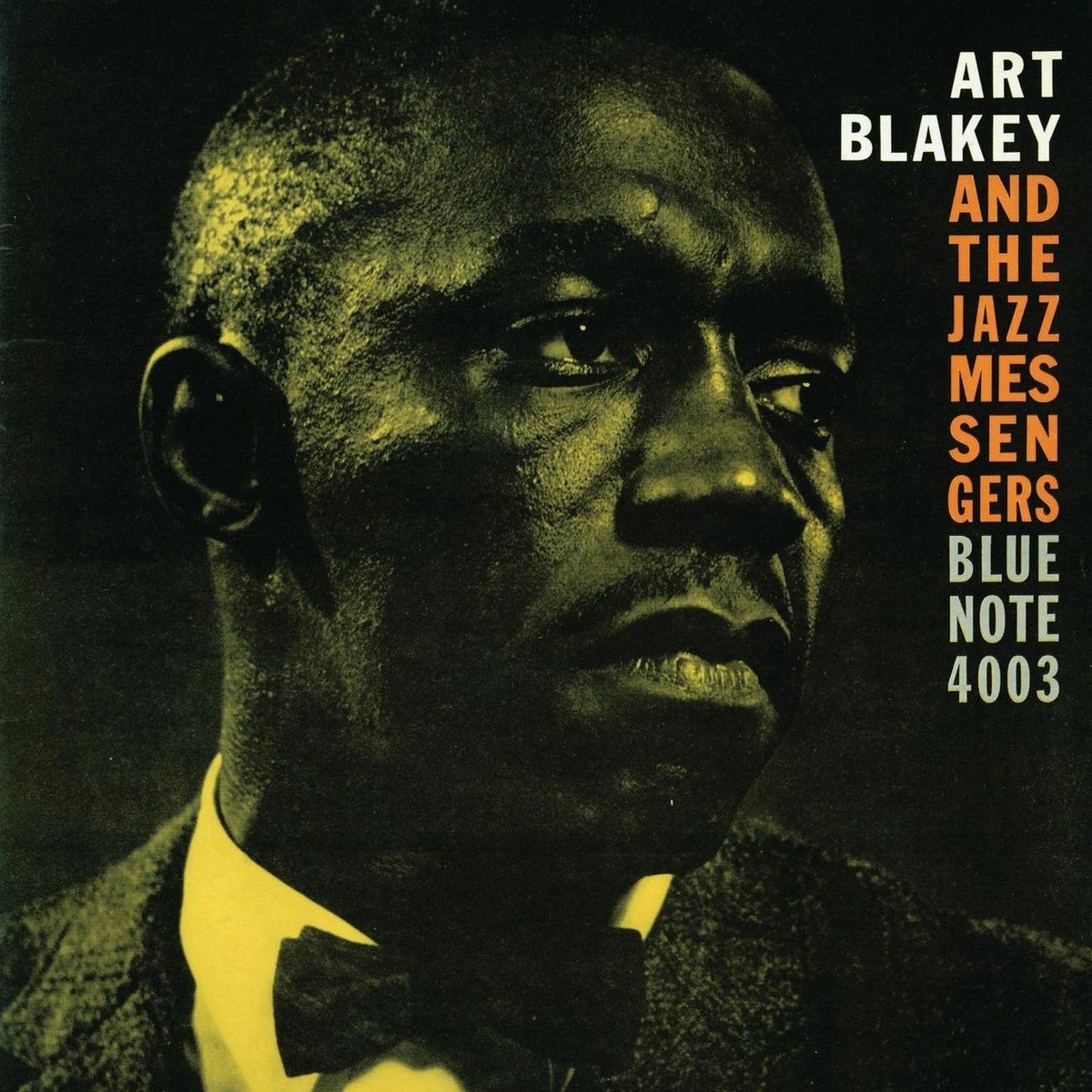
A: Bebop, born in the 1940s, is characterized by fast tempos, complex harmonies, and virtuosic improvisation. Hard bop, which emerged in the 1950s, is a reaction to bebop, incorporating elements of gospel, blues, and R&B. Hard bop often features a stronger backbeat and a more soulful feel. Think of Art Blakey's Moanin' as a hard bop benchmark and Charlie Parker's Bird and Diz as bebop foundational.
Q: What is modal jazz, and why is it important?
A: Modal jazz focuses on exploring the harmonies of a single scale or mode rather than relying on traditional chord progressions. This approach allows for greater freedom of improvisation and creates a more open and spacious sound. Kind of Blue by Miles Davis is the most prominent example of modal jazz.
Q: How do I appreciate avant-garde or free jazz?
A: Avant-garde jazz can be challenging, but it rewards patient listening. Focus on the textures, rhythms, and overall energy of the music rather than trying to follow a traditional melody or chord progression. The Shape of Jazz to Come by Ornette Coleman is a good starting point.
Q: What are some good jazz vocal albums for beginners?
A: Ella and Louis by Ella Fitzgerald and Louis Armstrong is a classic duet album with timeless appeal. Chet Baker Sings showcases Baker's understated vocals and heartfelt interpretations of standards. Lady in Satin by Billie Holiday is a deeply moving and emotionally resonant album. Night Train by Oscar Peterson Trio featuring different vocalists is also a recommended album.
Decision Tree: Is This a Groundbreaking Jazz Album?
- Does it evoke a strong emotional response? (Yes/No)
- Does it push the boundaries of the genre? (Yes/No)
- Does it feature exceptional musicianship? (Yes/No)
- Does it have a lasting impact on subsequent generations? (Yes/No)
If the answer to most of these questions is "yes," then it's likely a truly groundbreaking jazz album.
Actionable Close: Start Listening Critically
The best way to understand what makes a good jazz album is to listen – and listen actively. Don't just put on the music as background noise. Focus on the details, analyze the performances, and allow yourself to be moved by the music. The more you listen, the more you'll develop your own taste and appreciation for the art of jazz.